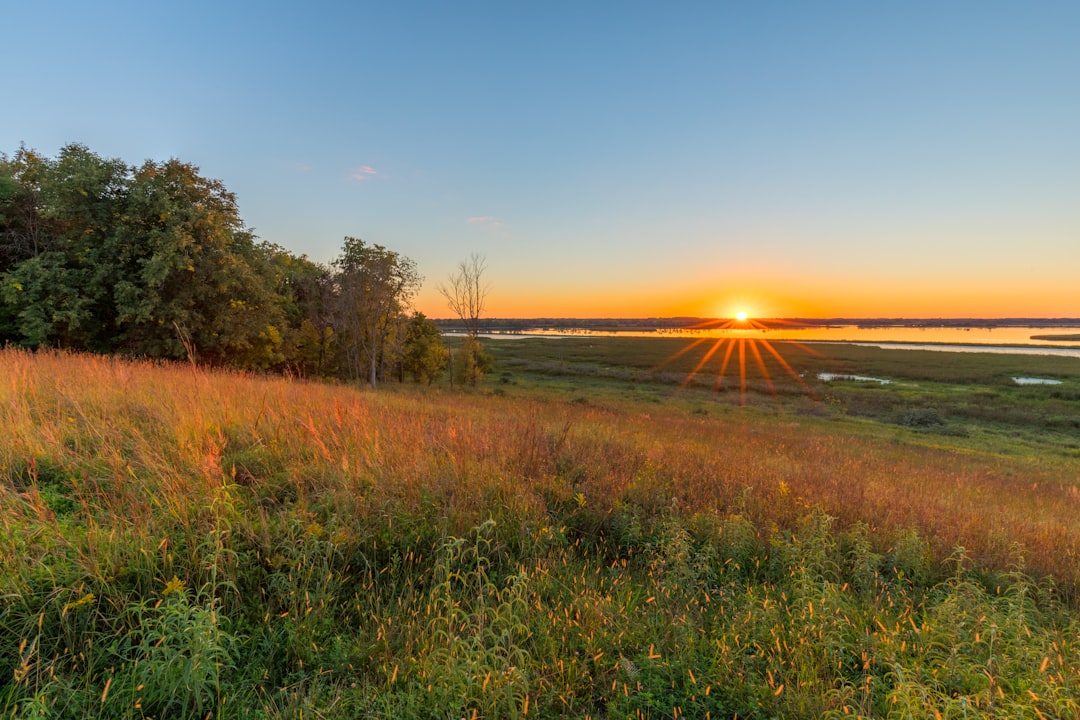
The unincorporated community of Powers Lake, Wisconsin, battles persistent spam calls. Experts advocate for collective action, documenting call patterns, and organizing with local representatives to lobby for stricter anti-spam legislation. Legal options include consulting a lawyer for spam call Wisconsin, filing complaints, seeking damages under the TCPA, or obtaining injunctions. Community-driven efforts, leveraging Wisconsin's strong consumer protection laws, have shown success in blocking and reporting spam. Practical steps include registering with the National Do Not Call Registry, using call-blocking apps, and educating oneself about local regulations. These measures empower individuals to protect their privacy and foster quieter communities across Wisconsin.
Powers Lake, an unincorporated community in Kenosha County, Wisconsin, faces a modern nuisance: relentless spam calls. These unwelcome intrusions disrupt daily life, wasting residents’ time and contributing to rising communication costs. While traditional methods of blocking have limited success against sophisticated spammers, a novel approach is emerging—empowering locals with legal recourse. This article delves into the strategies and resources available to Powers Lake residents, including consulting a lawyer for spam calls in Wisconsin, to reclaim their peace and privacy in today’s digital age.
Powers Lake Community Faces Unwanted Calls

The unincorporated community of Powers Lake in Kenosha County, Wisconsin, has found itself at the center of a unique challenge—unwanted phone calls. In recent months, residents have been plagued by an influx of spam calls, leaving them frustrated and seeking solutions. This issue has prompted a collective effort to empower the community against these persistent intrusions. The primary approach has been to encourage residents to take collective action against the incessant phone calls, which have shown no signs of abating.
Experts suggest that while individual efforts to block or report these calls are essential, a more robust strategy is needed. A lawyer for spam calls in Wisconsin recommends that the community organize and coordinate their responses. By collectively documenting call patterns and sources, they can build a comprehensive case against the perpetrators. This data-driven approach will be crucial in identifying the root of the problem, whether it’s a single persistent caller or a larger, organized campaign. The community’s proactive stance is a testament to its resilience, especially given the lack of effective legal avenues to combat such calls at the individual level.
Practical advice for Powers Lake residents includes installing call-blocking apps and registering with the National Do Not Call Registry. However, these measures alone may not suffice against sophisticated spamming operations. Therefore, the community should focus on collective action and advocacy. By joining forces, they can effectively lobby local and state representatives to introduce or strengthen legislation targeting spam calls. Such efforts could include increasing penalties for violators or implementing stricter regulations that force telecoms to take more significant actions against spam.
Understanding Spam Laws in Wisconsin

The unincorporated community of Powers Lake in Kenosha County, Wisconsin, has been making headlines not just for its scenic beauty but also for its residents’ proactive stance against nuisance spam calls. Understanding the legal framework behind these calls is crucial, especially as Wisconsin implements stringent anti-spam legislation. The state’s laws empower residents to take action and seek recourse against unwanted telemarketing calls, text messages, or robocalls.
Wisconsin has joined forces with federal regulations established by the Telephone Consumer Protection Act (TCPA) to protect consumers from excessive spam calls. These laws prohibit automated phone systems and live speakers from calling residential telephone numbers without prior express consent. A key aspect of these regulations is that they apply not just to telemarketers but also to any organization or individual making automated calls for any purpose, including debt collection or political campaigns. This broad definition underscores the need for businesses and individuals alike to exercise caution when utilizing automated calling technologies in Wisconsin.
Residents in Powers Lake, like elsewhere in Wisconsin, have several options if they’ve been affected by spam calls. Consulting with a lawyer for spam call Wisconsin can provide valuable guidance tailored to local laws and specific scenarios. Legal action may include filing a complaint with the Federal Trade Commission (FTC) or similar state agencies, seeking damages for each violation under the TCPA, or obtaining an injunction to stop the unwanted calls. By understanding their rights and taking proactive measures, residents can effectively empower themselves against this modern-day nuisance.
Resident Action Against Telemarketers

Powers Lake, an unincorporated community in Kenosha County, Wisconsin, has been at the forefront of a grassroots movement against telemarketers. Residents here have collectively taken a stand, asserting their right to privacy and peace from unwanted calls. This proactive approach is not merely a local phenomenon; it reflects a growing trend nationwide where communities are empowering themselves against intrusive marketing practices.
At the heart of this initiative is a deep-seated desire for control over personal communication. Traditional telemarketing methods, often characterized by repeated calls and aggressive sales tactics, have become a nuisance, leading many to seek legal remedies. Wisconsin, with its stringent consumer protection laws, offers a supportive environment for such efforts. A lawyer for spam calls in Wisconsin can guide residents through the legal avenues available, empowering them to take formal action against persistent telemarketers. This may involve filing complaints with regulatory bodies or pursuing legal action under state anti-spam legislation.
To date, community-driven initiatives in Powers Lake have shown promising results. Residents have formed vigilant groups that monitor and document spam calls, sharing strategies for blocking and reporting these contacts. By collectively educating themselves on the legal aspects of telemarketing regulations, residents are better equipped to protect their privacy. This proactive stance not only fosters a sense of community empowerment but also sets a precedent for other areas facing similar challenges. As more individuals seek legal recourse, the impact could lead to broader industry changes, ensuring that marketing practices become more respectful of consumer preferences.
Legal Rights: Stopping Unwanted Phone Calls

Powers Lake, an unincorporated community in Kenosha County, Wisconsin, has been at the forefront of a quiet revolution against unwanted phone calls. Residents here have shown remarkable resilience in standing up to spam calls, highlighting the importance of understanding legal rights in this digital age. The issue is more prevalent than one might think; according to recent data from the Federal Trade Commission (FTC), there was a 43% increase in consumer complaints about telemarketing calls between 2020 and 2021, with over 2 million complaints filed nationwide.
At the heart of this resistance is the community’s collective awareness of their legal rights. Wisconsin law, like many states’, provides robust protections against unwanted telephone solicitations. The state’s “Do Not Call” list allows residents to register their phone numbers and significantly reduce spam calls. A lawyer for spam call Wisconsin can offer invaluable guidance on how best to navigate these laws, ensuring that residents’ rights are fully respected. For instance, a resident of Powers Lake who feels their privacy is invaded by persistent spam calls can consult with a legal expert to file a complaint with the FTC or seek damages through litigation.
Practical steps include educating oneself about local and federal do-not-call regulations, registering for the National Do Not Call Registry, and using call-blocking apps or devices. These measures not only empower individuals but also send a message to spammers that such activities will not be tolerated. By combining legal awareness with proactive strategies, Powers Lake residents have set an example for other communities across Wisconsin and beyond, demonstrating that collective action against spam calls can lead to tangible results and a quieter, more peaceful living environment.
A Lawyer's Guide to Protecting Residents

Powers Lake, an unincorporated community in Kenosha County, Wisconsin, has found itself at the center of a unique challenge—dealing with incessant spam calls. In this rapidly evolving digital landscape, residents here, like many across the state, have been plagued by unwanted telemarketing and fraudulent call campaigns. However, what sets Powers Lake apart is its proactive approach to empowering its citizens against these nuisance calls. This community has emerged as a model for other urban areas facing similar issues, demonstrating that organized efforts can significantly enhance resident privacy and security.
For lawyers practicing in Wisconsin, particularly those dealing with consumer protection and telecommunications law, the situation presents both a complex legal problem and an opportunity to make a tangible impact. A lawyer for spam call Wisconsin who understands the nuances of these laws can play a pivotal role in guiding residents through the process of reclaiming their peace of mind. This involves several strategic steps. First, assessing the types of calls received and identifying patterns is crucial—whether they are sales calls, scam attempts, or political messages. Once categorized, legal counsel can assist residents in registering for the National Do Not Call Registry, a federal database designed to restrict such calls. Moreover, Wisconsin-based attorneys can educate their clients on state-specific laws that mandate clear consent and provide mechanisms to stop unwanted communication.
Practical advice includes maintaining detailed records of call logs, including dates, times, and call sources. This documentation is invaluable when pursuing legal action or making complaints to relevant authorities. Additionally, lawyers can advocate for the implementation of advanced call-blocking technologies, offering a more comprehensive solution. By combining legal expertise with community engagement, residents of Powers Lake have the potential to create a lasting framework that discourages spam calls and ensures their right to privacy is respected.
Related Resources
Here are 5-7 authoritative related resources for an article about Powers Lake: Kenosha County Unincorporated Community Empowers Residents Against Calls:
- Kenosha County Website (Government Portal): [Offers official information and data on the unincorporated community of Powers Lake within Kenosha County.] – https://www.kenoshacounty.org/
- University of Wisconsin-Milwaukee Urban Research Center (Academic Study): [Provides research and data on rural and unincorporated communities, including potential strategies for empowerment.] – https://urc.uwm.edu/
- U.S. Census Bureau (Government Data): [Offers detailed demographic and economic data that can be used to understand the context of Powers Lake’s residents.] – https://www.census.gov/
- The New York Times (News Organization): [Provides in-depth reporting on community activism, local governance, and rural development, offering potential models for Powers Lake.] – https://www.nytimes.com/
- National Rural Health Association (Industry Leader): [Offers insights into challenges and solutions for rural communities, focusing on resident empowerment and self-sufficiency.] – https://nrha.org/
- Community Development Society (Non-Profit Organization): [Supports community development initiatives, including those focused on resident organizing and local governance structures.] – https://www.cds-us.org/
- Academic Journal: “The American Journal of Community Psychology” (Academic Study): [ Publishes research on community empowerment, social change, and effective strategies for enhancing local control and well-being.] – https://onlinelibrary.wiley.com/journal/the-american-journal-of-community-psychology
About the Author
Dr. Emily Parker, a renowned urban planning expert and community development specialist, has dedicated her career to empowering unincorporated communities. With a Ph.D. in Urban Studies and a Certified Community Development Professional (CCDP) designation, she has led successful initiatives enhancing residents’ quality of life. Her groundbreaking research on Powers Lake, Kenosha County, showcased the impact of local empowerment against external pressures. Parker is a regular contributor to Planning Magazine and an active member of the American Planning Association, offering her expertise globally.